Understanding GJ Tube Surgery: Procedure and Recovery
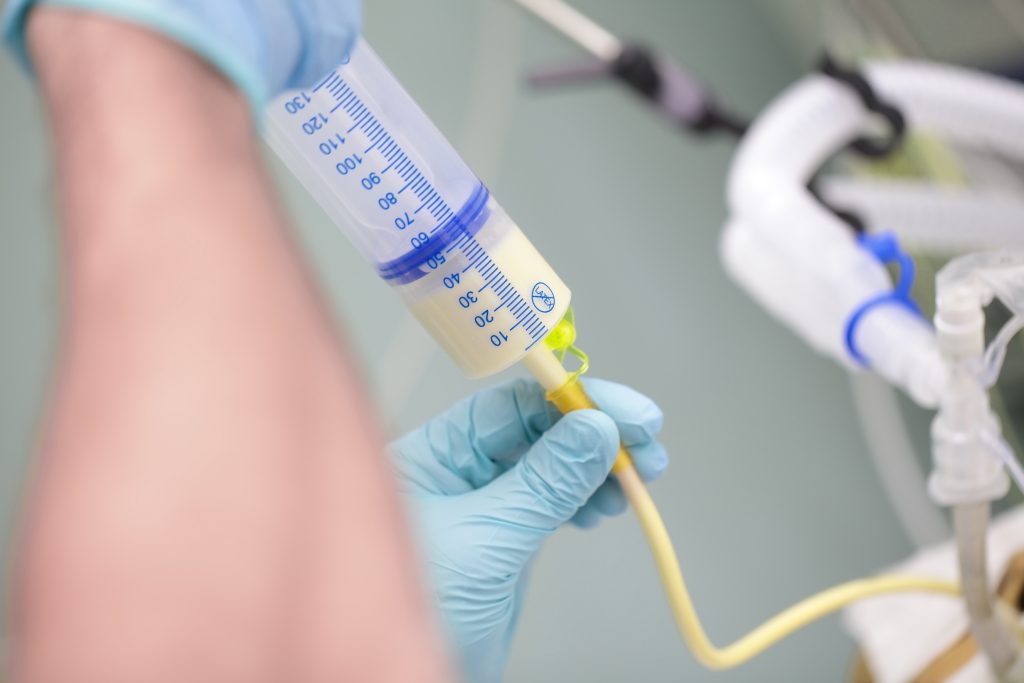
GJ tube surgery, or gastrojejunostomy tube placement, is a critical procedure for individuals who have difficulty feeding orally or require long-term nutritional support. Understanding the intricacies of this surgical intervention can help patients and caregivers make informed decisions. This comprehensive guide delves into the specifics of GJ tube surgery, its benefits, considerations, and post-operative care. Click here https://www.appliedmedical.net/enteral/g-jet-family/ for more details.
Understanding GJ Tube Surgery
Gastrojejunostomy tube surgery involves the placement of a tube that allows feeding directly into the jejunum, bypassing the stomach. This procedure is typically recommended for patients with certain medical conditions, such as:
- Severe gastroesophageal reflux disease (GERD)
- Gastroparesis
- Neurological disorders affecting swallowing
The Procedure
The procedure for placing a GJ tube is performed under sedation or anesthesia. It can be done endoscopically or through a surgical incision. The choice of technique depends on the patient’s medical condition and the healthcare provider’s recommendation. For more details on the surgical approach, visit this GJ tube surgery resource.
Benefits of GJ Tube Placement
GJ tube placement offers several advantages for patients who require nutritional support beyond oral feeding capabilities. Key benefits include:
- Improved nutritional intake and absorption
- Reduced risk of aspiration pneumonia
- Enhanced quality of life by managing symptoms associated with digestive disorders
Considerations Before Surgery
Prior to undergoing GJ tube surgery, several considerations must be taken into account to ensure the procedure is suitable for the patient’s needs:
Medical Evaluation
A thorough medical evaluation is essential to determine the appropriateness of a GJ tube. This includes assessing the patient’s overall health, reviewing medical history, and understanding the underlying condition necessitating nutritional support.
Patient and Caregiver Education
Education for both patients and caregivers is crucial in preparing for the procedure and the subsequent transition to home care. This education covers:
- How to care for the GJ tube site
- Proper feeding techniques and schedules
- Recognizing signs of complications
Post-Operative Care
After the placement of a GJ tube, careful attention must be given to post-operative care to prevent complications and ensure the effectiveness of the feeding regimen.
Maintaining Tube Functionality
Regular monitoring and maintenance of the GJ tube are essential to ensure it functions properly. This includes:
- Flushing the tube regularly to prevent blockages
- Ensuring the tube is securely positioned
- Monitoring for signs of infection or displacement
Dietary Adjustments
Adjustments to the patient’s diet may be necessary to meet nutritional needs and accommodate the feeding method. Consulting with a dietitian or nutritionist is recommended to tailor a plan that aligns with the patient’s health requirements.
Conclusion
GJ tube surgery is a vital procedure for many individuals requiring alternative methods of nutritional intake. By understanding the procedure, benefits, and necessary care, patients and caregivers can better manage the transition to using a GJ tube. For more comprehensive information on the procedure and its implications, explore reputable resources such as the GJ tube surgery guide.