Top Tips for DIY Wasp Control at Home
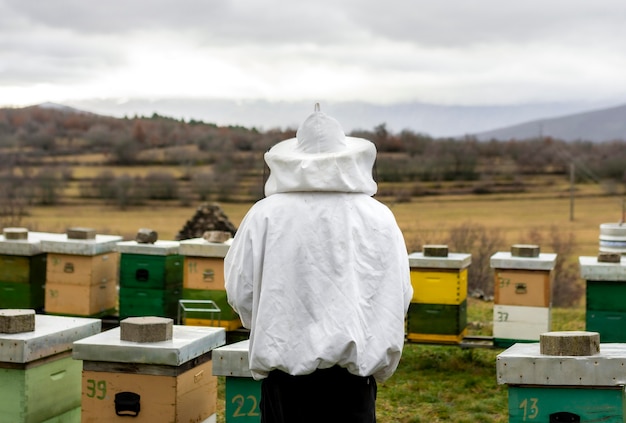
Wasps can be a formidable nuisance, particularly during warmer months. Their presence can not only disrupt outdoor activities but also pose potential health risks for those who are allergic to their stings. While professional services are often recommended for severe infestations, there are several effective DIY methods that can help control wasps at home. This article provides valuable insights and practical tips to manage wasp problems independently, ensuring safety and peace of mind.
Understanding Wasp Behavior
Before attempting any control measures, it’s crucial to understand wasp behavior and nesting habits. Wasps are generally more aggressive than bees and can sting multiple times. The most common wasps found around homes are paper wasps, yellowjackets, and hornets. Identifying the type of wasp can aid in determining the best control strategy.
Why Wasps Nest Around Homes
- Wasps are attracted to sheltered areas such as eaves, garages, and attics.
- Access to food sources, such as open garbage cans or food remnants, can encourage nesting.
- Warmth and protection from the elements are ideal for nest-building.
DIY Wasp Control Methods
Preventive Measures
Prevention is always better than cure. Implementing preventive measures can significantly reduce the likelihood of wasp infestations.
- Regularly inspect and seal entry points such as cracks and crevices around windows and doors.
- Maintain a clean environment by covering trash bins and removing food sources.
- Trim back trees and shrubs close to the home to reduce nesting opportunities.
Homemade Wasp Traps
Creating homemade wasp traps can be an effective way to capture and reduce the wasp population around your home.
- Use a plastic bottle by cutting the top third off and inverting it into the lower half. Fill it with a sweet liquid such as sugar water, which attracts wasps.
- Place the trap away from areas of human activity to draw wasps away.
- Regularly empty and refill the trap to maintain its effectiveness.
Safety Tips When Dealing with Wasps
While DIY methods can be effective, safety should always be a priority. Wasps can be aggressive, especially when threatened.
Personal Protective Measures
- Wear protective clothing, including gloves, long sleeves, and eye protection.
- Conduct wasp control activities during early morning or late evening when wasps are less active.
- Avoid using strong scents or perfumes that can attract wasps.
For those who are not comfortable dealing with wasps directly, it is advisable to learn about our tailored solutions that can address wasp infestations safely and efficiently.
When to Seek Professional Help
In cases where DIY methods prove ineffective or the infestation is extensive, seeking professional help is recommended. Professional pest control services provide comprehensive solutions that ensure thorough eradication and long-term prevention.
If you find yourself in need of expert assistance, it is beneficial to discover expert strategies here and find out more about this approach to wasp control.
Conclusion
Successfully managing wasps at home requires a combination of understanding their behavior, implementing preventive measures, and taking appropriate control actions. By following the DIY tips outlined in this article, homeowners can effectively reduce wasp populations and minimize the risks associated with them. However, for more persistent issues, exploring advanced guides and tips from professionals can provide additional peace of mind and safety.